
From trades and tools to aromas and grape varieties
Room after room, the audio guide tells you the story of the Alsatian vineyard, its folklore and its traditions. You take your time picking out the aromas of the Alsatian grape varieties, then comes the tasting of wines from the Domaine viticole de la Ville de Colmar, or of a grape juice that echoes their notes. Before you leave, you design your own label and discover the last surprises of the visit.

THE ALSACE VINEYARD
THE ALSACE VINEYARD
Since the first vines were planted in Alsace nearly two thousand years ago, every plot on these hillsides has revealed a different soil and given a wine of its own.

THE TRADES OF WINE
THE TRADES OF WINE
The winegrower makes the wine and raises it; the cooper shapes the wood, the glassblower and the cork maker prepare the wine for its next journey.

AROMAS AND TASTING
AROMAS AND TASTING
The aroma wheel trains your nose, then our virtual sommelier introduces you to tasting and gives you the keys to visiting the cellars of Alsace.

FOR FAMILIES
FOR FAMILIES
The children's trail leads younger visitors from game to game. At the end of the visit, each one leaves with a reward before setting off to explore the vines.
The Alsace vineyard, its terroir and its grape varieties
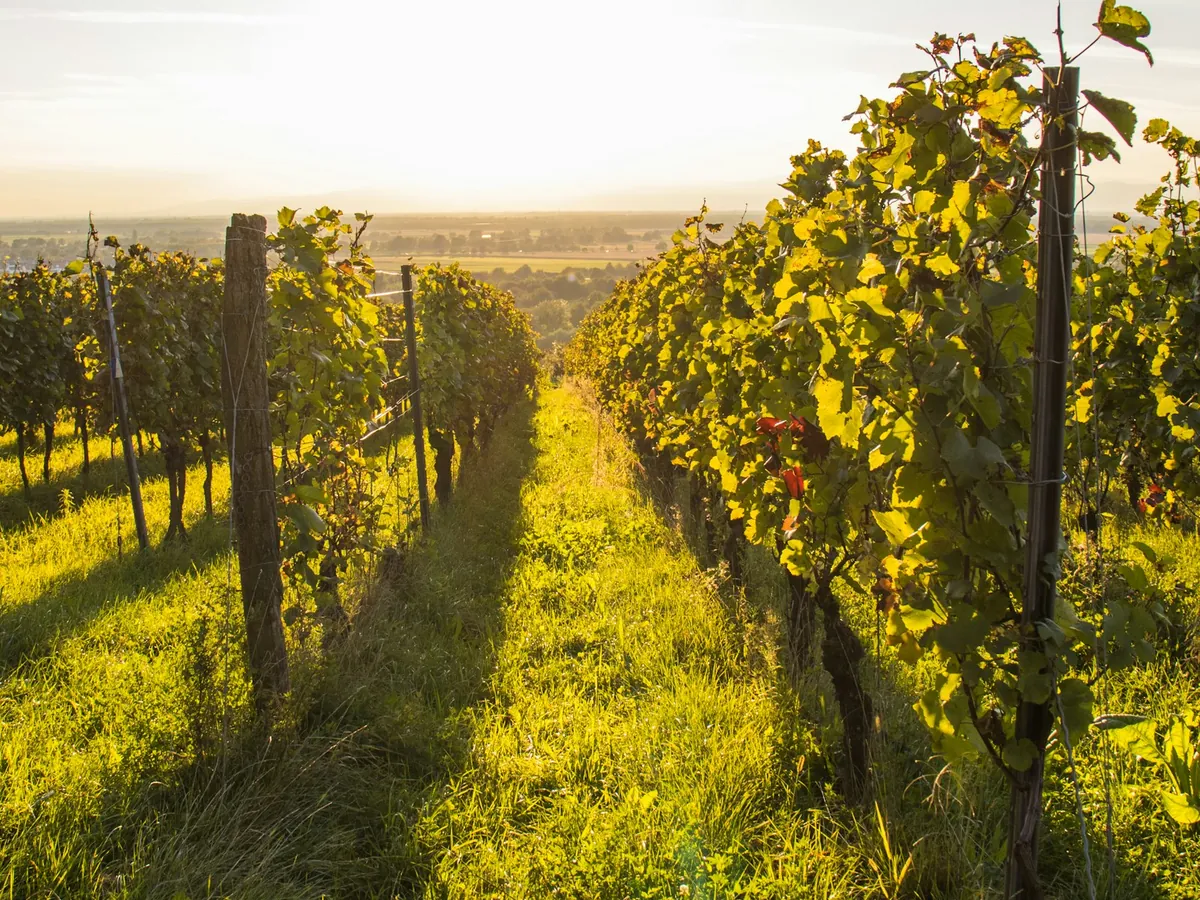
From Marlenheim to Thann, 170 kilometres of vines. You discover its terroir: what the soils are made of, which grape varieties thrive in them, and how the Alsatian wine presses changed.
The terroir

The wine presses

The grape varieties

The City of Colmar's vineyard
The trades of wine
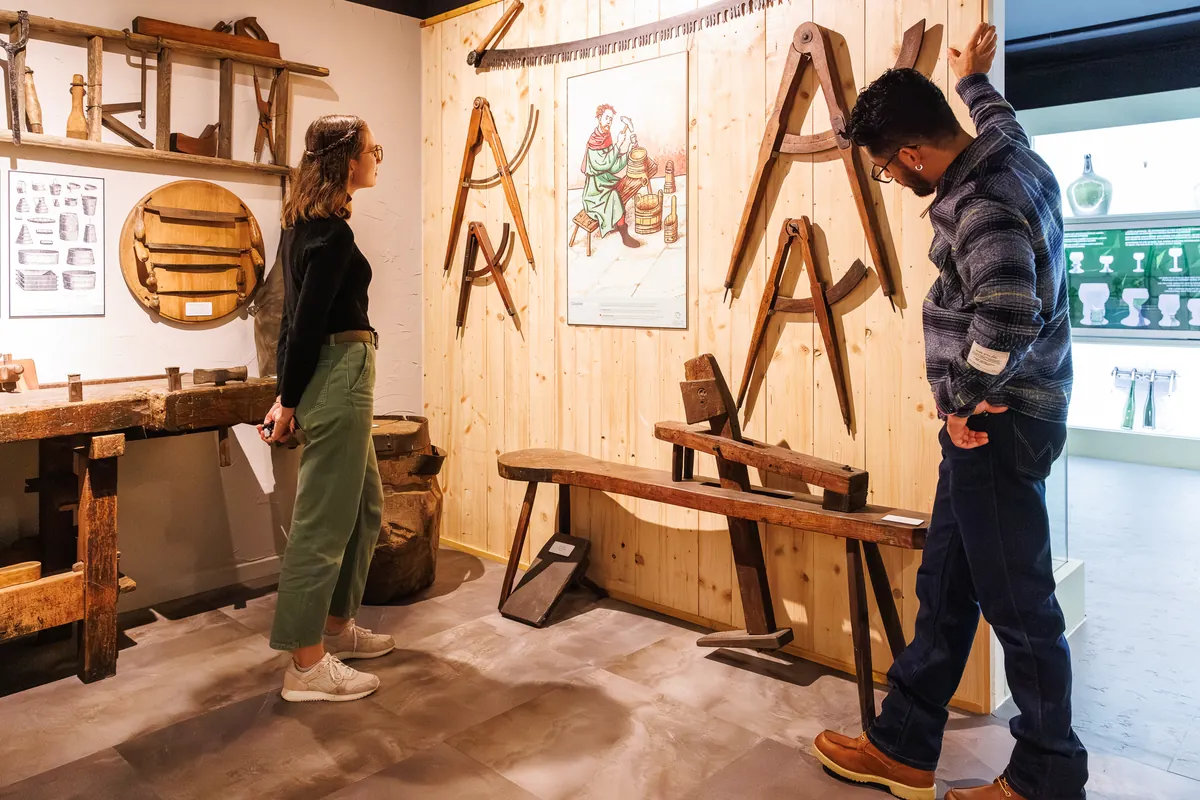
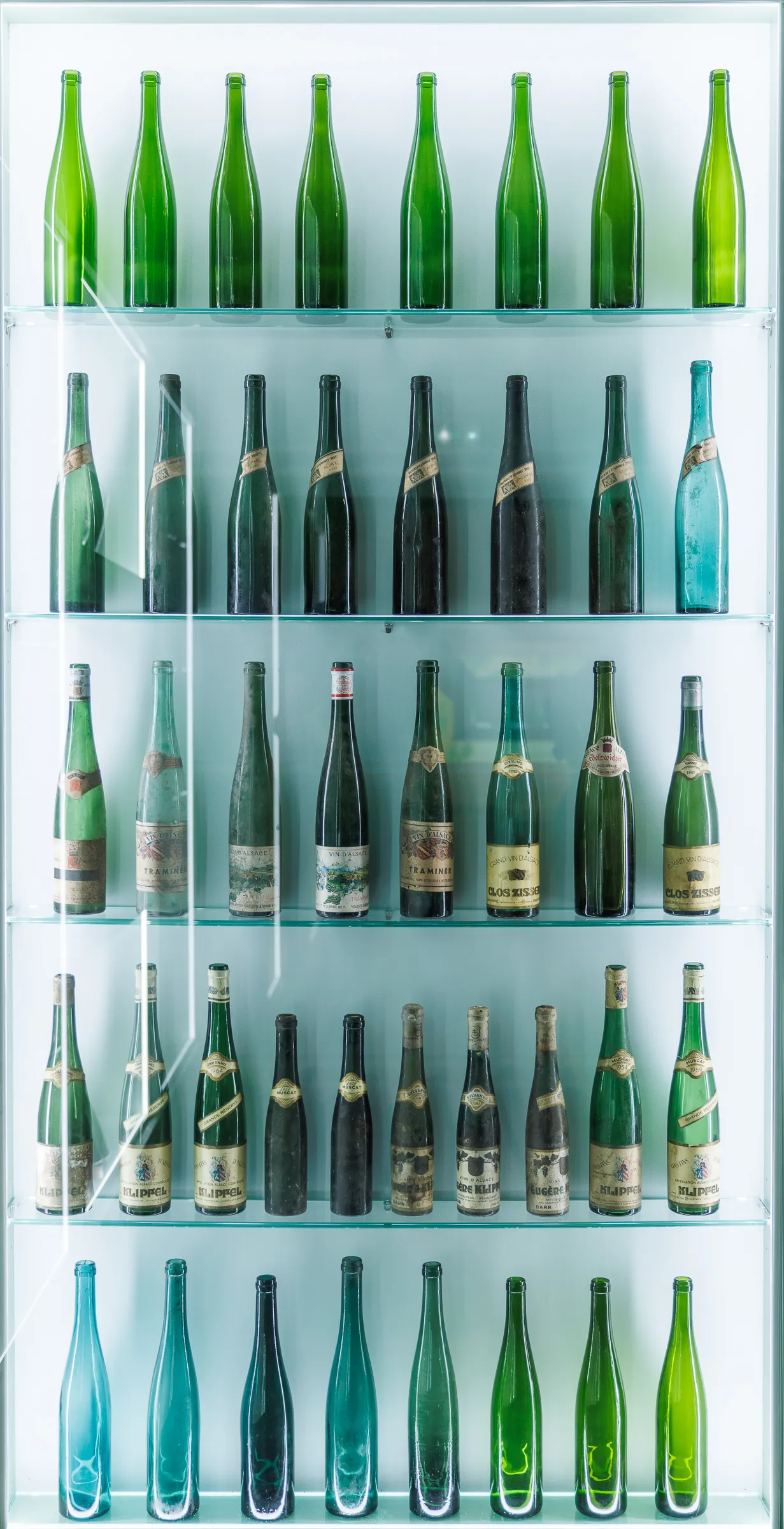
Many trades are needed to bring wine from the vine to your glass. The museum invites you to follow the story of each one, to see how they have changed, and which of them are disappearing. Their tools have remained: the Klipfel house, in Barr, entrusted us with its collection, now on display here in Colmar.

The winegrower
The cooper
The glassblower
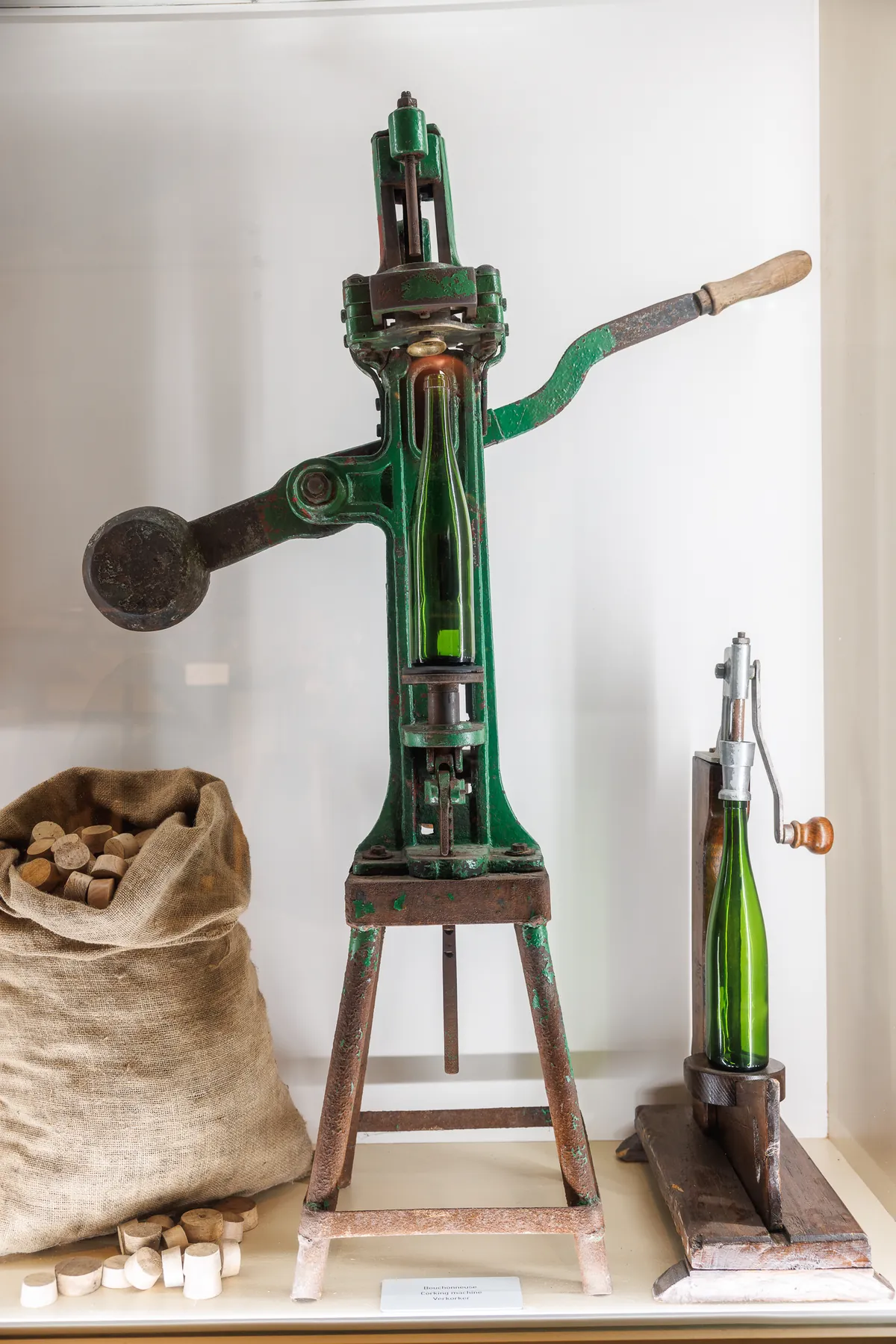
The cork maker
The aromas and tasting of Alsace wines
Recognising an aroma means waking a memory. Train your nose on the Alsatian grape varieties; you will find them again at the tasting.
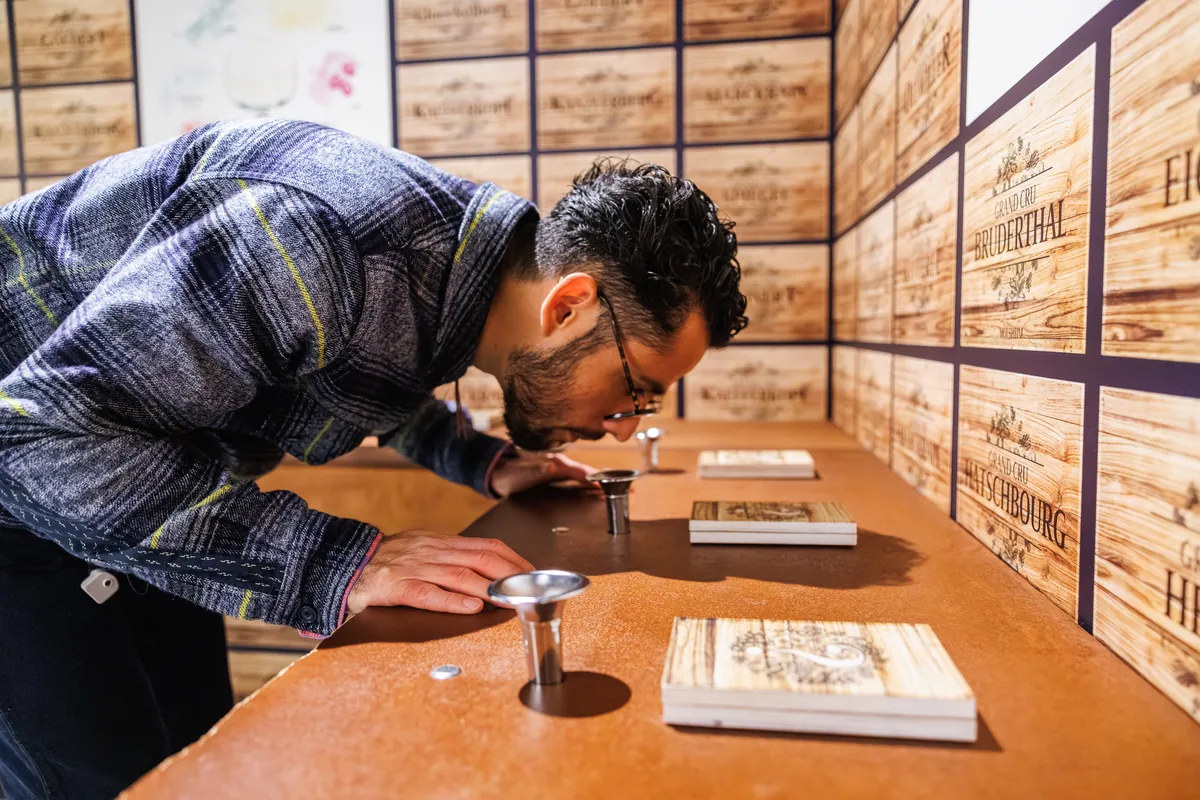
The aromas
Guess what you are smelling: honey, grape berry, citrus, smoky notes… The memory of smells is built like any other. Then find those aromas in a grape variety: lychee and rose in gewurztraminer, white flowers in riesling, cherry in pinot noir. It is up to you to find others.
Book my tickets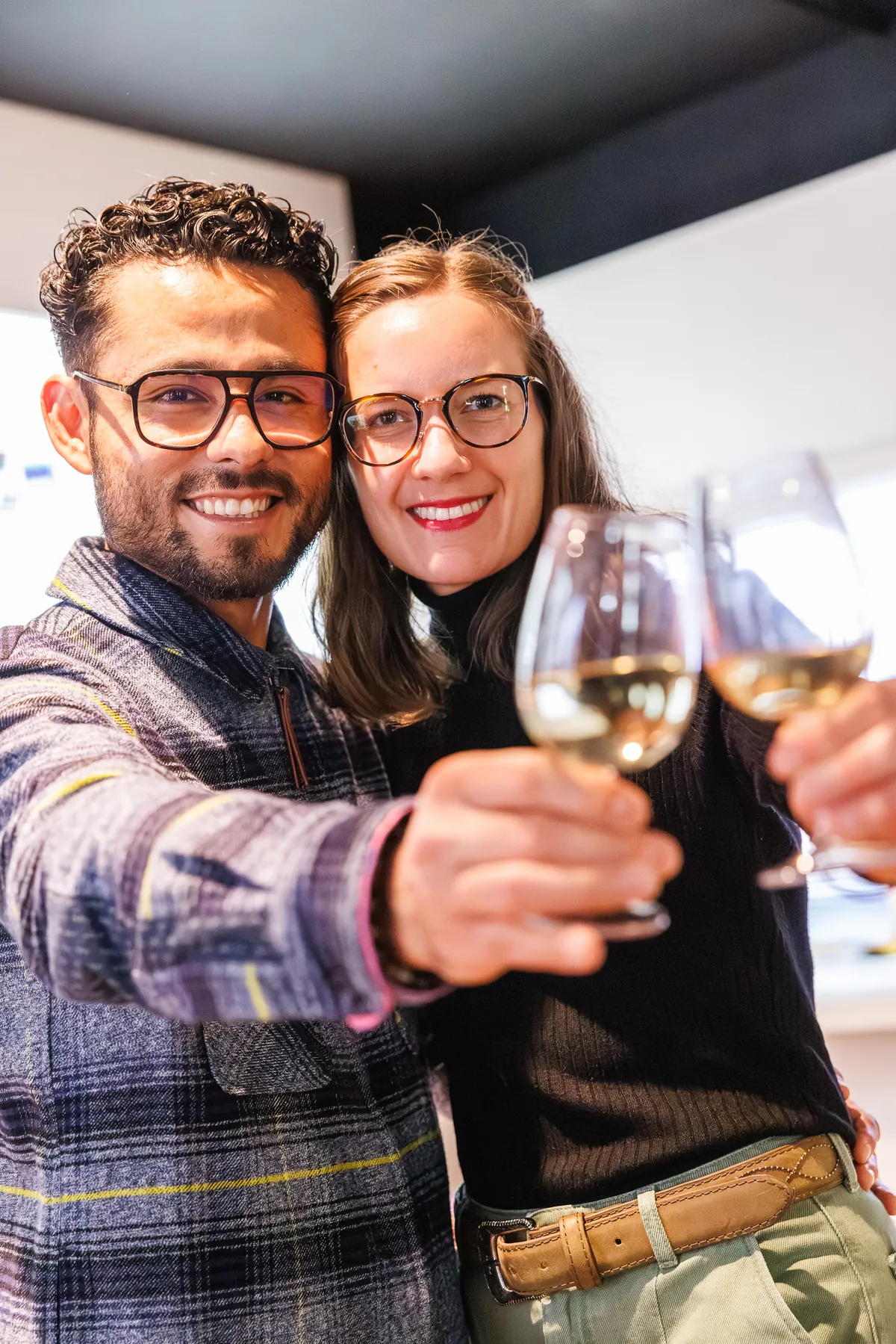
Food and wine pairings
Dry muscat with asparagus, riesling with sauerkraut, gewurztraminer with munster: in the kitchen, two chefs run through the pairings. And the kugelhopf is flavoured with gewurztraminer marc.
The tasting
Pour yourself a glass, riesling, pinot gris or gewurztraminer, and follow our virtual sommelier: she teaches you to read the wine, its colour, its legs down the glass, then to smell it, aerate it and taste it. Nothing stops you from starting again with another variety. Those who do not drink alcohol do the same, with grape juice.

Do you need to know about wine already?
No. What you mainly learn is to put words to what you smell: aroma for a young wine, bouquet for a wine that has aged. The sommelier would tell you there are as many good wines as there are good palates.

For families, the children's trail
Children follow the visit with you, but not in the same way. They have their own guide, their own games at every stage, and a surprise to take home!
The children's trail
From the age of three, children have an audio guide all of their own: Lisela, the museum's mascot, tells them about the same rooms as you, at their level. They move at their own pace, having fun.


The games
Harvest the grapes then crush them in the trough, stack the barrels in the winegrower's cellar, bottle the wine, smell the aromas — and, at the end, taste several grape juices.
The apprentice winegrower's diploma
At the end of the trail, everyone picks their background and their drawing, writes their name — and leaves with their apprentice winegrower's diploma. As for Lisela, she says goodbye in Alsatian: "Bis bàll!"


The ride through the vineyard
Before leaving the museum of Alsace wines, a foretaste of the vineyard: young and old alike, climb aboard our delivery trike and watch the landscapes roll by. This really is where your discovery of the Wine Route begins.